
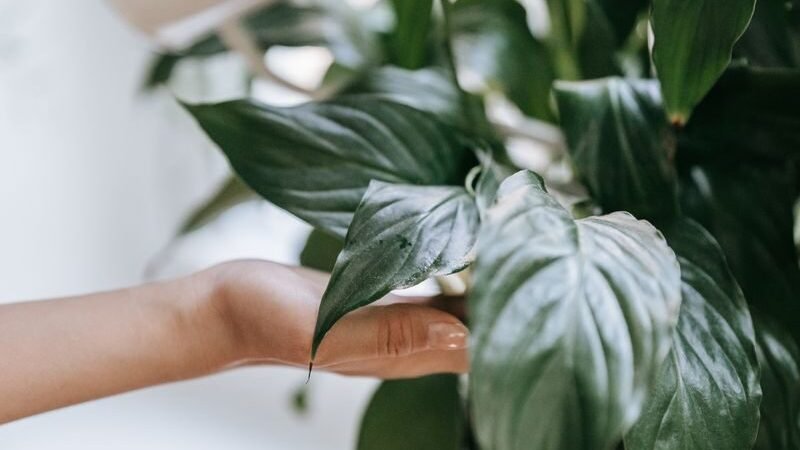
Quick answer: Water your peace lily when the top inch of soil feels dry — in most homes, that works out to about once a week. Check the soil, not the calendar: a bright, warm room can dry a pot out in 4–5 days, while a cool winter room can stretch it to two weeks.
A peace lily is the most honest houseplant you will ever own. When it is thirsty, it does not send a subtle hint — it faints. The whole plant collapses in a heap, and first-time owners are convinced it is dying. Then you water it, and two hours later it is standing tall again like nothing happened.
That drama is actually a gift. Very few plants tell you so clearly what they need. The trick is learning to read the soil before the faint happens, because a plant that faints every week is a stressed plant, even if it always recovers. This guide gives you the soil-check rule our other watering guides use — the same approach behind how often to water a snake plant and how often to water a monstera — adapted for a plant that likes its soil a little wetter than most.
The short answer: about once a week — but the soil decides
In an average home, with average light and an average pot, a peace lily needs water every 7–10 days. That is the honest starting point, and it is also the number most care guides agree on. But it is a starting point, not a schedule. The same plant drinks twice as fast in a warm, bright week as it does in a cool, dim one, dries sooner in a small terracotta pot than in a big glazed one, and slows right down in winter when growth nearly stops.
Peace lilies come from tropical rainforest floors, where the soil stays lightly moist most of the time. Indoors, they want the same thing: soil like a wrung-out sponge — damp all the way through, never soggy, never bone-dry. As North Carolina Extension puts it, keep the soil moist but not soggy, and allow it to dry between waterings. The gap between “moist” and “soggy” is exactly what the finger test reads.
The 60-second check: should I water today?
Before you reach for the watering can, run this 60-second check. It answers the question faster than any calendar ever will.
- Push your finger one inch into the soil. Dry and crumbly? Water today. Cool and damp with soil clinging to your finger? Wait two days and check again.
- Lift the pot. A dry peace lily is dramatically lighter than a watered one. After a few weeks you will know the “thirsty weight” by feel — it is faster than the finger test once you learn it.
- Look at the leaves. Leaves standing upright with a slight sheen mean the plant is fine. The very first slight droop along the leaf stems is the plant’s early warning — water now, before the full faint.
If all three checks say “not yet,” do not water. Overwatering kills more peace lilies than underwatering ever will, and a plant sitting in soggy soil cannot be fixed by adding more water. If you are still unsure, our overwatered vs underwatered guide walks through the difference side by side.
The soil-check rule: 4 ways to know it’s time
The finger test is the one to learn first, but it is not the only check. Use whichever of these fits your setup — they all answer the same question, and two agreeing checks beat one guess.
1. The finger test
Push your index finger one inch into the soil, to the second knuckle. If it comes out clean and the soil feels dry, water. If damp soil clings to your finger, wait. This is the most reliable check for most people because it reads the moisture where the roots actually are, not just the dry crust on top. In a deep pot, push a little further — the top inch can be dry while the bottom is still wet, and that is exactly how overwatering happens.
2. Lift the pot
Pick the pot up right after watering and feel its weight, then lift it again a few days later. The difference is obvious once you have felt it once. A light pot with dry topsoil means water; a heavy pot means wait, even if the surface looks dry. This check is especially useful for big plants where a finger cannot reach the root zone.
3. The wooden skewer test
Push a wooden chopstick or bamboo skewer into the soil to near the bottom of the pot and leave it for a minute. Pull it out: dark and damp means the soil is still moist; pale and dry means it is time to water. This is the best check for deep pots and for anyone who would rather not get soil under their fingernails.
4. A moisture meter
A cheap probe meter takes the guesswork out entirely. Push the probe halfway into the soil and read the dial: a reading of 3–4 on a 1–10 scale is the right moment to water a peace lily. Below 3, the plant is thirsty; above 5, leave it alone. Wipe the probe clean after each use so mineral build-up does not throw the reading off.
How to water a peace lily properly
How you water matters as much as when. A quick splash on the surface wets the top inch and leaves the roots dry — the plant stays thirsty and the owner thinks it was watered. Do it properly and the whole root ball gets a drink.
- Move the plant to a sink or a tray that can hold runoff, or water it where it stands with a deep saucer underneath.
- Use room-temperature water. Cold water straight from the tap can shock the roots, especially in winter. Fill your watering can and let it sit for a few hours first — this also lets chlorine escape.
- Pour slowly and evenly over the whole soil surface until water runs freely from the drainage holes.
- Wait two minutes, then water again the same way. The first round wets the soil; the second round flushes mineral salts out of the root zone and makes sure dry pockets in the middle of the pot actually get wet.
- Let it drain for 10 full minutes, then empty the saucer. Roots sitting in standing water rot within days. This one step prevents more peace lily deaths than any other.
If your soil has dried out so hard that water runs straight through the pot without soaking in, the mix has gone hydrophobic. Set the pot in a basin of water for 20–30 minutes and let it soak from the bottom up — bottom watering is the fastest way to rewet a dried-out root ball. North Carolina Extension notes that watering from below works very well for peace lilies in general.
How often to water a peace lily by season
Peace lilies follow the light and the temperature, not the month on your wall calendar. Use this table as a starting point, then let the soil-check rule adjust it for your home.
| Season | Typical gap | What changes |
|---|---|---|
| Spring (Mar–May) | Every 5–7 days | Active growth and longer days mean thirsty roots. |
| Summer (Jun–Aug) | Every 4–6 days | Heat speeds evaporation; check the soil every few days. |
| Autumn (Sep–Nov) | Every 7–10 days | Growth slows and the pot stays damp longer. |
| Winter (Dec–Feb) | Every 10–14 days | The plant is semi-dormant; resist the urge to water on schedule. |
Winter deserves a special warning. Central heating dries the air, which makes the leaves look thirsty — brown tips, a little droop — while the soil is still damp. Watering more in response rots the roots. In winter, check the soil first, and if the leaves are the problem, raise the humidity instead: our humidity guide covers the methods that actually work, and watering houseplants in winter explains why most plants need less water than you think in the cold months.
5 things that change how often you water
Two peace lilies in the same house can need water on completely different schedules. These five factors decide how fast a pot dries out.
| Factor | Dries faster | Dries slower |
|---|---|---|
| Light | Bright indirect light, near an east window | Low light, far from windows |
| Pot material | Unglazed terracotta — the walls breathe | Glazed ceramic or plastic; a cachepot traps moisture |
| Pot size | Small 4–6 inch pots dry in days | Large 10–12 inch pots can go two weeks |
| Soil mix | Chunky, bark-heavy mix drains fast | Dense, peat-heavy mix holds water for days |
| Humidity | Dry heated air, near a radiator | Humid bathroom or grouped with other plants |
Light is the biggest lever. A peace lily in bright indirect light can need water twice as often as the same plant in a dim corner, and moving a plant to a brighter spot changes its rhythm within a week or two — check the soil twice as often during the transition and ignore the old schedule. Pot material is the second: terracotta breathes and dries fast, which is forgiving for overwaterers but means more frequent watering, while plastic and cachepots hold moisture and punish anyone who waters on a calendar. And a rootbound plant dries out within a day or two of watering because there is barely any soil left to hold moisture — if that is happening, it is time to repot, not time to water more often.
Dry droop vs wet droop: read the faint
The peace lily’s dramatic faint is useful only if you can tell which kind of droop you are looking at. A thirsty plant and an overwatered plant both droop — but they need opposite responses, and watering the wrong one makes it worse.
| What you see | Dry droop (thirsty) | Wet droop (overwatered) |
|---|---|---|
| Soil | Dry an inch down, pot feels light | Wet days after watering, pot feels heavy |
| Leaves | Soft, limp, still green | Soft with yellowing lower leaves or water-soaked brown patches |
| Smell | None | Sour or musty soil |
| After watering | Perks up within 2–4 hours | Stays limp; may get worse |
| Fix | Water thoroughly, then check the soil more often | Stop watering, empty the saucer, let the soil dry |
The recovery test is the giveaway: a thirsty peace lily stands back up within hours of a drink — the fastest recovery in houseplants. If yours is still limp the next morning, the problem was never thirst. Stop watering, check that the drainage holes are clear, and if the soil has been wet for more than a week, unpot the plant and look at the roots. White and firm means recoverable; brown and mushy means root rot, and our overwatered plant rescue guide walks through the trim-and-repot steps. The full comparison lives in our overwatered vs underwatered guide, and the droop itself is covered in depth in why your peace lily is drooping.
What water should you use?
Peace lilies are fussier about water quality than most houseplants. They are sensitive to fluoride, chlorine, and dissolved mineral salts, and the classic symptom is brown, crispy leaf tips that no amount of watering fixes — because the problem is what is in the water, not how much of it there is.
- Best: rainwater or distilled water. Soft, mineral-free, and the brown tips usually stop appearing on new leaves within weeks.
- Good: tap water left uncovered for 24 hours. Chlorine escapes into the air; fluoride and chloramine do not, so this only helps if your water is chlorinated rather than fluoridated.
- Fine in most homes: ordinary tap water, used at room temperature and flushed through the pot properly. Many peace lilies live happily on tap water for years — brown tips are a cosmetic warning, not an emergency.
- Avoid: softened water. A salt-based softener swaps calcium for sodium, and sodium accumulates in the soil and burns roots.
If brown tips are already there, trim them off with clean scissors — they will not heal — and switch water sources for the new growth. The full breakdown, including the overnight-sitting myth and what to do about a water softener, is in our tap water for houseplants guide. One more note from North Carolina Extension: over-fertilizing and salt build-up burn leaf tips and roots too, so feed at quarter strength and flush the soil between applications.
5 watering mistakes to stop making
- Watering on a schedule. “Every Sunday” ignores the season, the weather, and the plant. The soil-check rule takes 60 seconds and is right every time.
- The little splash. A small pour wets the top inch and leaves the roots dry. Always water deeply, until it drains — shallow watering trains shallow roots.
- Leaving the saucer full. The single fastest way to rot a peace lily. Empty it 10 minutes after every watering, and check a cachepot too — water hides at the bottom where you cannot see it.
- Cold water shock. Cold tap water on warm roots stresses the plant, especially in winter. Room-temperature water, every time — fill the can in advance.
- Misting as a substitute for watering. Misting raises humidity for a few minutes; it does not water roots. If the soil is dry, the plant needs a drink, not a spray. (Misting is not useless — it just solves a different problem, as our misting guide explains.)
Special cases: when the normal rule changes
Just brought home from the store: do not water for 3–5 days. Retail nurseries water heavily before shipping, and the plant is usually wetter than it looks. Check the soil first.
Just repotted: water once thoroughly to settle the mix around the roots, then wait until the top inch dries before watering again. Fresh mix holds more moisture than the old, compacted stuff.
After a long drought or a full faint: bottom-water for 20–30 minutes to fully rewet the root ball, then return to the normal rhythm. Do not water again the next day just because it fainted — one deep drink is the fix.
Going on vacation: water thoroughly the day you leave and move the plant away from bright windows and heat sources so it dries more slowly. For trips longer than a week, a self-watering pot or a trusted sitter beats any wick trick. Our vacation watering plan covers every trip length.
Self-watering pots: let the reservoir run dry between refills. A peace lily in a constantly full reservoir is a peace lily with constantly wet feet — the same root-rot risk as a full saucer, just better hidden.
Peace lily growing in water: change the water weekly and rinse the container, or algae and bacteria build up and the roots rot. A plant in water still needs the same bright indirect light and warm temperatures (65–85°F) as a potted one.
When it isn’t a watering problem
Watering gets blamed for almost every peace lily complaint, but some symptoms point elsewhere. Check this before you change your watering routine:
- Yellow leaves, wet soil: overwatering or root rot — not thirst. See why peace lily leaves turn yellow.
- Brown crispy tips, soil fine: mineral burn from tap water or dry air. Change the water source and raise the humidity — watering more will not help.
- Droop that will not recover after watering: root rot, cold damage, or a rootbound pot. Work through the causes in why your peace lily is drooping instead of watering again.
- No flowers for months: usually too little light, not too little water. Peace lilies flower best in bright indirect light; a plant in a dim corner grows leaves and skips the blooms.
- Small black flies around the pot: fungus gnats love constantly damp soil. Letting the top inch dry out between waterings is the first line of defence — our fungus gnat guide covers the rest.
How long until it recovers
A thirsty peace lily is the fastest recovery in houseplants: expect visibly perkier leaves within 2–4 hours of a thorough watering and a full recovery by the next morning. That speed is why the faint is so forgiving — as long as you catch it early and do not make a habit of it. A plant that faints every week is stressed even if it always bounces back; repeated collapses weaken the leaves over time, so tighten your checking routine instead of relying on the drama.
For an overwatered peace lily, expect recovery in 1–3 weeks once the soil is allowed to dry and the saucer stays empty. New leaves will emerge healthy; yellowed ones will not turn green again, so trim them once the plant is stable. After root rot treatment — trimming mushy roots and repotting in fresh mix — allow 3–6 weeks before judging the result, and water sparingly in the meantime while the reduced root system rebuilds.
When to give up
Peace lilies are nearly indestructible, so this section is short. Compost the plant only if the crown — where the leaves emerge — is black and mushy, all the roots are rotted, and no firm tissue remains. If even a small firm rhizome section survives, it can regrow: trim away everything soft and black, pot the firm piece in fresh mix, and give it a few weeks. A peace lily that looks dead above the soil often surprises people by sprouting again, so wait before you decide.
Related rescues
- Why Is My Peace Lily Drooping? 6 Causes & How to Fix It
- Why Is My Peace Lily Turning Yellow? 9 Causes & Fixes
- How Often Should I Water My Houseplants in Winter? It’s Less Than You Think
How often should I water a peace lily?
Water when the top inch of soil feels dry to the finger. In most homes that works out to about once a week, but the schedule shifts with light, pot size, season, and humidity — every 4–6 days in a hot summer week, every 10–14 days in winter. Avoid watering on a fixed calendar.
How do I know when my peace lily needs water?
Press your index finger one inch into the soil. If it comes out clean and the soil feels dry, water. If damp soil clings to your finger, wait two days and check again. Lifting the pot works too — a dry pot is dramatically lighter than a watered one — and the first slight droop along the leaf stems is the plant’s early warning before a full faint.
Can I water a peace lily with tap water?
Yes, but tap water often causes brown leaf tips because peace lilies are sensitive to fluoride and chlorine. Leave tap water uncovered for 24 hours so chlorine escapes, or use rainwater, distilled water, or filtered water for fewer mineral problems. Never use salt-softened water — the sodium burns roots.
Why is my peace lily drooping after I watered it?
That is wet droop, usually from root rot. Roots damaged by soggy soil cannot move water into the leaves even when the soil is wet, so the plant droops exactly like a thirsty one but will not perk up after watering. Stop watering, check the drainage holes, empty the saucer, and inspect the roots — healthy roots are firm and pale, rotted roots are brown and mushy.
Should I water a peace lily from the top or the bottom?
Either works. Top watering flushes mineral salts out of the soil, which matters for a salt-sensitive plant like the peace lily, so make it your default. Bottom watering is the better choice when the soil has dried out hard and gone hydrophobic, or when you want to keep the crown dry in winter. North Carolina Extension notes that watering from below works very well for peace lilies — alternate the two methods and always empty the saucer afterwards.