
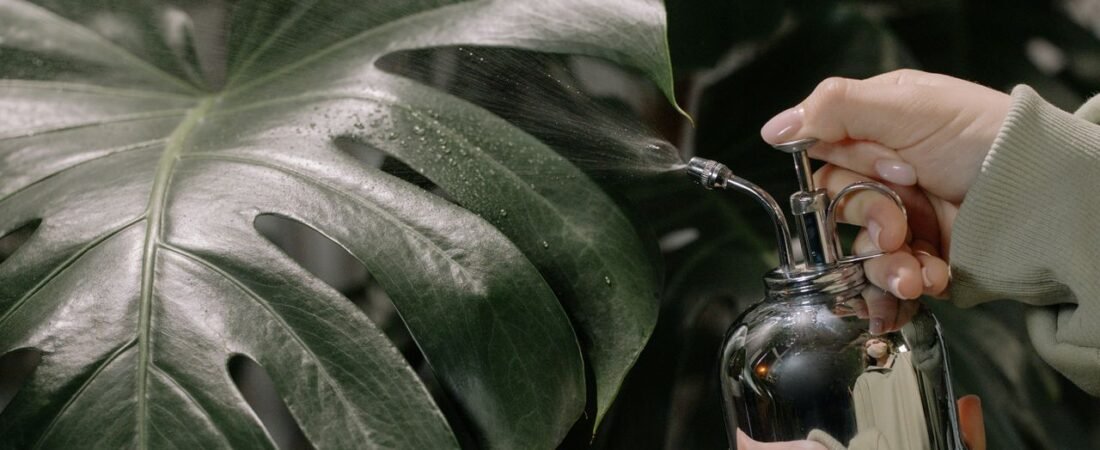
Every winter the ritual begins: the heat kicks on, the air turns bone dry, and someone in a plant group asks whether they should mist their houseplants. The spray bottle comes out, the leaves get a good spritzing, and the plant parent feels like something has been done. Here is the uncomfortable truth about that ritual — and what to do instead.
Quick answer: No — misting is not an effective way to raise humidity, in winter or any season. The moisture evaporates within minutes, so the effect on the air your plant breathes is essentially zero. If your plants are suffering in dry winter air, a humidifier, grouping your plants, or a pebble tray will do far more than a spray bottle ever could.
Why misting feels like it should work
Most houseplants are tropicals, and tropicals like moist air — generally a 40 to 50 percent relative humidity range is the sweet spot. But once the furnace starts running, many homes drop to 10 or 20 percent humidity in winter — drier than some deserts. The leaves feel dry, edges turn crispy, and reaching for water feels like the obvious fix. The logic is sound. The physics is not.
What actually happens when you mist
When you spritz a plant, you coat the leaves in tiny water droplets. Those droplets start evaporating immediately into the room air. In a normal heated room, that takes minutes — and then the humidity around the plant is right back where it started. The amount of water a spray bottle delivers is simply too small to move the needle in the volume of air in a typical room. The effect of a misting session is measurable for minutes, not hours.
The 20-minute math that kills the habit
University of Missouri horticulturist David Trinklein worked out the uncomfortable arithmetic: to genuinely change the humidity your plant experiences, you would need to mist it roughly every 20 minutes — around the clock. Not every 20 minutes while you are home. Every 20 minutes, 24 hours a day, all winter. Anything less is a gesture, not a humidity strategy. As Costa Farms horticulturist Justin Hancock puts it, misting ends up being more therapeutic for the person holding the spray bottle than for the plant.
When misting backfires
Misting is not just useless for humidity — for some plants, in some conditions, it is actively harmful. Water sitting on foliage in dim, cool, still winter air is an invitation to fungal trouble. And soggy soil plus wet leaves is the same danger recipe that makes overwatering so destructive in winter. The offenders:
- Begonias — prone to fungal leaf spots and powdery mildew when moisture lingers on their leaves.
- African violets — cold water droplets leave unsightly blotches on their fuzzy leaves.
- Calatheas and marantas — water sitting on their decorative foliage can cause fungal spotting. If yours already has crispy, curling edges, read our calathea leaf-curling guide — the fix is not more misting.
- Succulents and cacti — built for dry air; wetting their foliage or stems can kick off rot.
- Orchids and bromeliads — misting water directly into the crown or leaf cups lets moisture pool where it cannot drain.
- Any plant at night — misting after dark leaves foliage wet in cool, dim air for hours, which is exactly when fungal disease gets going. If you must mist, morning is the rule.
Mist or skip? A per-plant cheat sheet
| Plant | Verdict | Why |
| Calathea, maranta | Skip | High-humidity lovers that still spot and rot from wet foliage — use a pebble tray instead |
| Begonias | Skip | Powdery mildew risk when leaves stay damp |
| African violets | Skip | Fuzzy leaves blotch and spot from water contact |
| Succulents, cacti | Skip | Need dry air between waterings; misting can start rot |
| Orchids (phalaenopsis) | Mist roots only | Aerial roots drink it up; never spray into the crown |
| Monstera, pothos, philodendron | Harmless but pointless | It will not hurt them, but it does nothing for humidity — spend the effort elsewhere |
| Propagations under a dome | Yes | A light mist inside a humidity dome genuinely maintains the moist air cuttings need |
4 things that actually raise humidity in winter
Ranked by how much they actually move the needle:
- Get a humidifier. A small ultrasonic humidifier running a few hours a day near your plants is the only method that reliably raises the humidity in a heated room. Cool-mist models are the norm — no boiling-water contraptions needed.
- Group your plants together. Plants exhale moisture through their leaves (transpiration). If you have just brought everyone indoors for winter, cluster them on the same table or shelf — the group shares a pocket of slightly more humid air. Combining this with a pebble tray works even better.
- Use a pebble tray. Fill a shallow tray with pebbles, add water to just below the tops of the pebbles, and set the pot on top. Water evaporates off the tray all day, raising the humidity right around the plant. Refill every few days, and never let the pot itself sit in the water.
- Borrow a humid room. Bathrooms with regular showers and kitchens run naturally higher in humidity. If the light is adequate, humidity-hungry plants like ferns and calatheas are happier there in winter.
When the spray bottle earns its keep
Misting is a lousy humidifier, but it is not a useless tool. A few jobs it genuinely does well:
- Dust removal. A fine mist followed by a soft cloth or brush cleans dusty leaves so they can absorb light properly — cleaner leaves photosynthesize better.
- Spider mite deterrence. Misting the undersides of leaves in hot, dry conditions makes the surface less welcoming to mites. It prevents rather than cures, though.
- Orchid aerial roots. Aerial roots soak up a quick mist — this is watering those roots, not humidifying the room.
- Propagation. Fresh cuttings under a humidity dome root better when the air inside stays moist; a light mist helps maintain it.
- Heat-wave cooldown. On very hot, dry days, a light mist can briefly cool large leaves. A winter-season nicety to file away for summer.
The safe-misting rules (if you keep the habit)
If you enjoy the ritual and your plants tolerate it, four rules keep it harmless. And while you are at it, remember winter watering calls for room-temperature water and a lighter hand across the board.
- Mist in the morning. Leaves must dry during the day. Nighttime misting leaves foliage wet in cool, dark air — prime conditions for fungal trouble.
- Use room-temperature water. Cold droplets on warm-house leaves can cause spotting, especially on sensitive plants like African violets.
- Mist lightly, never soak. A fine film on the leaves is the goal. If water is dripping off the foliage, you have gone too far.
- Switch to filtered or rainwater if you see white spots. Hard tap water leaves mineral deposits as droplets dry — cosmetic, but annoying, and a wipe-down adds a chore. Filtered water avoids it.
Should I mist my calathea?
Calatheas need higher humidity, but misting is not the best way to provide it — water sitting on their patterned leaves can cause fungal spotting. A pebble tray plus grouping will do more for a calathea than daily misting. If you do mist, do it in the morning so the leaves dry during the day, and keep soil moisture consistent with good indirect light.
Should I mist my orchid?
For phalaenopsis orchids, misting the aerial roots is fine — they absorb the moisture directly. Avoid misting into the crown, where water pools and causes crown rot. Correct watering of the bark and good air circulation matter far more than any misting routine.
Will misting fix crispy brown leaf tips?
No — crispy brown tips are usually a symptom of low humidity, not a problem misting can fix, because the humidity boost evaporates within minutes. Brown tips respond to sustained humidity: a humidifier, pebble tray, or grouping will do what a spray bottle cannot.
Does it matter if I mist with tap water?
Hard tap water leaves white mineral deposits on leaves as the droplets dry. It is cosmetic rather than harmful, but it means extra wipe-downs. If your tap water is hard, filtered or rainwater avoids the spots — or skip the misting and use a pebble tray instead.
Should I mist in the morning or at night?
Morning, always. Leaves need daylight and airflow to dry. Misting at night leaves foliage wet in cool, dim conditions for hours, which invites fungal disease. Even a morning mist should be light — never soak the foliage.
Related rescues
- How Often Should I Water My Houseplants in Winter? It’s Less Than You Think — dry air tempts heavy watering; do not overcorrect.
- When Should I Bring My Houseplants Indoors for Winter? A Simple Checklist — the move indoors is what creates the dry-air problem in the first place.
- Do My Houseplants Need a Grow Light in Winter? 5 Signs They Do — dim winter corners make every problem worse; check the 5 signs.