
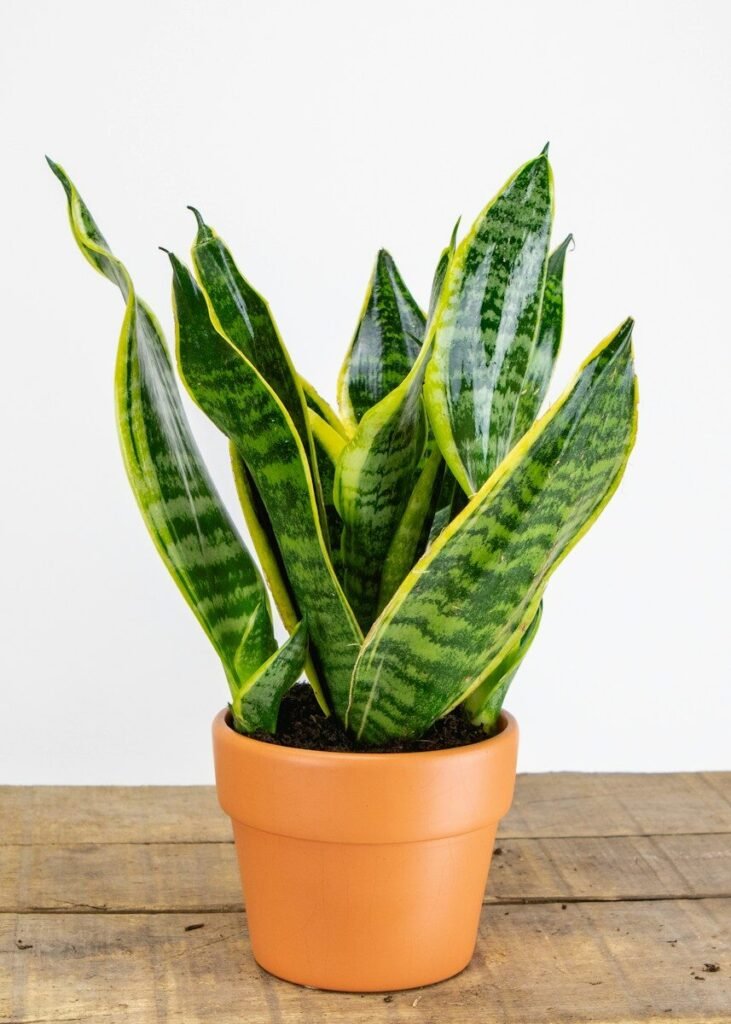
Quick diagnosis
Symptom: Your snake plant’s stiff, upright leaves are flopping or falling over instead of standing tall.
Most likely cause: Overwatering. Snake plants are desert plants — soggy soil rots the roots, and the leaves topple because nothing anchors them. Mushy leaf bases mean rot; firm leaf bases point to light or stability issues.
Your 60-second first step: Squeeze a fallen leaf near its base. Mushy and smelly? Root rot — unpot now. Firm and dry? Check whether the pot is too small, the light too dim, or the plant recently got cold. Don’t water until the soil is fully dry.
Snake plants have a reputation for being indestructible — which is exactly why a flopping snake plant feels so alarming. The truth: the number-one killer of snake plants is kindness in the form of too much water. Leaves that fall over are the plant’s way of telling you the roots are in trouble. This guide explains why is my snake plant leaves falling over, with six causes and the exact fix for each. For drooping-leaf triage across plants, see our drooping symptom hub and the Plant Emergencies archive.
1. Overwatering and root rot (the #1 cause)
Why it happens: Snake plants store water in their thick leaves and rhizomes, so they need far less water than most houseplants. Soil that stays wet rots the roots; without working roots, leaves lose their anchor and flop. If you’re unsure which watering problem you have, see our overwatered vs underwatered guide.
How to confirm: Leaf bases feel mushy or smell bad, soil stays damp for a week or more after watering, and leaves pull out easily. Yellow, translucent lower leaves are another sign.
Fix it:
- Unpot the plant and inspect the roots — trim anything black and mushy with clean scissors.
- Let the rhizomes dry for a day, then repot in fresh, fast-draining cactus or succulent mix.
- Going forward, water only when the soil is completely dry — usually every 2 to 4 weeks indoors.
- Make sure the pot has drainage holes.
2. Root-bound and top-heavy in a small pot
Why it happens: A snake plant that has outgrown its pot becomes top-heavy. Tall leaves in a tiny, light pot simply tip over — especially the lightweight nursery pots they often come in.
How to confirm: Roots circle the bottom or push through drainage holes, the pot tips easily, and the leaves themselves are firm and healthy — just leaning.
Fix it:
- Repot into a container 1 to 2 inches wider, ideally heavy ceramic or terracotta for stability.
- Use a gritty, fast-draining mix so the bigger pot doesn’t stay wet.
- Stake leaning leaves loosely with a bamboo stick and soft ties until roots anchor.
3. Too little light (weak, floppy growth)
Why it happens: Snake plants tolerate low light, but they don’t thrive in it. In dim corners, new leaves grow thin, pale, and floppy — they lack the energy to stand rigid.
How to confirm: The plant sits far from any window, new growth is noticeably thinner and lighter green than older leaves, and the whole plant leans toward the light.
Fix it:
- Move to bright, indirect light — a few feet from an east or south window is ideal.
- Rotate the pot a quarter turn each month for even growth.
- Already-floppy leaves won’t stiffen, but new growth will emerge upright and strong.
4. Cold damage
Why it happens: Snake plants are tropical succulents. Temperatures below 50°F (10°C) damage the water-filled leaves, which turn mushy and collapse — often overnight after a cold draft or an accidental outdoor stay.
How to confirm: Collapse followed a cold night, a drafty window, or the plant sat outside in fall. Affected leaves look water-soaked or translucent before flopping.
Fix it:
- Move to a warm spot above 60°F (15°C) immediately.
- Cut away mushy, collapsed leaves at the base — they won’t recover.
- Keep the soil dry while the plant heals; healthy rhizomes will push new growth.
5. Physical damage or repotting stress
Why it happens: Snake plant leaves are rigid, so a hard knock, a pet, or rough handling during repotting can crack the leaf base. Damaged leaves lose structural integrity and flop, and recently repotted plants may lean while roots re-establish.
How to confirm: Only one or two leaves are affected, there’s a visible crease or break near the base, and the rest of the plant is firm and healthy.
Fix it:
- Stake the damaged leaf or trim it at the base if the break is severe.
- For a recently repotted plant, stake loosely and give it 4 to 6 weeks to anchor.
- Trimmed leaves can be propagated — cut into 2-inch sections and root in water or soil.
6. Natural aging of outer leaves
Why it happens: Snake plants shed their oldest outer leaves over time. An aging leaf yellows, then flops as the plant reabsorbs its nutrients — completely normal, especially on mature plants.
How to confirm: Only the outermost, oldest leaves are affected, they yellow before flopping, and the center of the plant is firm with healthy new growth.
Fix it:
- Trim the spent leaf at the base with clean scissors.
- Do nothing else — this is the plant’s normal cycle.
- If many leaves age at once, double-check watering and light, since stress accelerates shedding.
Snake plant flopping: quick differential
| What you see | Likely cause | Instant check |
|---|---|---|
| Mushy leaf bases, wet soil, bad smell | Root rot | Squeeze the leaf base |
| Firm leaves, tiny tipping pot | Root-bound / top-heavy | Roots through drainage holes |
| Thin, pale, floppy new growth | Too little light | Far from any window |
| Sudden collapse after cold night | Cold damage | Temps below 50°F |
| One creased leaf, rest healthy | Physical damage | Visible break at base |
| Outer leaf yellows then flops | Natural aging | Center growth healthy |
How long until it recovers
Fallen leaves almost never stand back up on their own — staking can help a firm-but-leaning leaf, but a mushy one is done. Recovery is measured in new growth: after fixing rot or light, expect fresh upright leaves within 6 to 8 weeks (snake plants are slow). For a simple repot into a stable container, the plant looks better immediately and anchors within a month.
When to give up
Snake plants are survivors — don’t give up while any firm rhizome remains. Only compost if every rhizome is black, mushy, and foul-smelling with no firm tissue left. Even a plant reduced to a single healthy rhizome chunk can regrow, so when in doubt, trim the rot, let it dry, repot, and wait.
Frequently asked questions
Will fallen snake plant leaves stand back up?
Firm but leaning leaves can be staked upright and may stay that way once roots re-anchor. Mushy, rotted leaves will never recover — cut them at the base. New growth after you fix the cause will emerge standing tall on its own.
Should I water a flopping snake plant?
Almost certainly not — flopping is most often caused by overwatering, so adding more water makes it worse. Check the soil first; only water when it’s completely dry throughout the pot, which can take weeks indoors.
Can I save a snake plant with root rot?
Yes, if any firm rhizome or roots remain. Trim all black, mushy tissue, let the cuts dry for a day, and repot in fresh cactus mix. Water sparingly. Snake plants regrow from surprisingly small healthy pieces.
Why is my snake plant leaning to one side?
Usually it’s reaching for light or it’s top-heavy in a small pot. Move it closer to a window, rotate regularly, and repot into a heavier container if it keeps tipping. A stake helps while roots settle.
How often should I water a snake plant?
When the soil is completely dry — typically every 2 to 4 weeks indoors, less in winter. Stick your finger deep into the soil or lift the pot; if there’s any moisture or weight, wait. When in doubt, wait another week.