
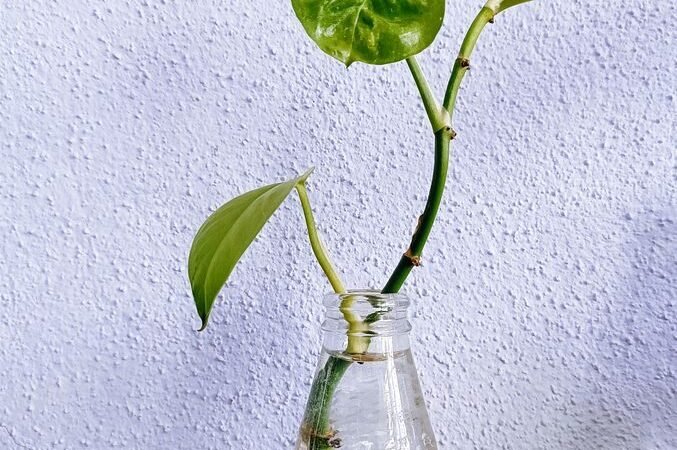
One healthy Monstera deliciosa vine can become two, three, or four new plants, for free. All it takes is a stem cutting with a node, a jar of water or a small pot of soil, and a few weeks of patience. If you have ever trimmed a leggy monstera and wondered whether the piece you cut off could live on its own, this guide is for you.
The short version: cut just below a node, root the cutting in water or soil in bright, indirect light, and pot it up once the roots are a few inches long. The rest of this guide walks through each step, including what to do when a cutting stalls or starts to rot. If you are still unsure what a node looks like, start there, because it is the one thing a cutting cannot do without.
Quick answer: Take a cutting with at least one node and one healthy leaf, cutting about ½ inch below the node. Root it in water or moist soil in bright, indirect light. In water, expect roots in 2–3 weeks; pot it up once the roots are 2–3 inches long with a few branches.
First, Find the Node (No Node, No New Plant)
A node is the knobby bump on the vine where a leaf stem meets the main stem. It often has a brown aerial root poking out of it, and it is the only part of the stem that can grow new roots and new leaves. A cutting without a node may sit green in water for weeks, but it will never become a full plant. If you want the full explanation, see Can You Propagate Monstera Without a Node?
There are three kinds of cuttings, and they do not root at the same speed. A top cutting, the growing tip of the vine with two or three leaves, roots fastest and grows on the quickest. A mid-stem cutting, a section of vine with one node and one leaf, also works well and lets you make several plants from one long vine. A leafless section with a node, sometimes called a wet stick, can root too, but it is the slowest and the easiest to rot, so it is not the best choice for a first attempt.
What You’ll Need
- Clean, sharp pruning shears or a sharp knife
- Rubbing alcohol for sterilizing the blades
- A clean glass jar, or a small pot with drainage holes
- Room-temperature water, or a chunky, well-draining mix (see Best Soil Mix for Monstera)
- Rooting hormone (optional, but helpful for soil cuttings)
- A clear plastic bag (optional, for soil cuttings)
How to Propagate Monstera From Cuttings in 8 Steps
- Pick a healthy vine. Choose a vine with firm green leaves and at least one visible node. Spring and early summer are the best times, when the plant is actively growing, but a healthy cutting will root at any time of year if it gets enough light and warmth.
- Sterilize your shears. Wipe the blades with rubbing alcohol before you cut. A dirty blade can carry disease into the open wound and turn a healthy cutting into a rotting one.
- Cut about ½ inch below a node. Make a clean cut at a slight angle, keeping one or two healthy leaves above the node. Leave a short stub of stem below the node rather than cutting flush against it.
- Trim and let the cut dry. Remove any leaves that would sit under water or under soil, since submerged leaves rot. Then let the cut end dry for an hour or two so it forms a light callus.
- Optional: dip in rooting hormone. For soil cuttings, a light dip of the cut end in rooting hormone powder can speed rooting. It is less important for water cuttings, which usually root fine without it.
- Water method: Place the cutting in a clean jar so the node is submerged but the leaves stay above the water. Set it in bright, indirect light and change the water every 3–5 days to keep bacteria down.
- Soil method: Fill a small pot with pre-moistened chunky mix, poke a hole, and tuck the node about an inch deep. Water lightly, then cover loosely with a clear plastic bag, opening it daily for airflow, and keep the soil evenly moist but never soggy.
- Wait, and check weekly. In water you should see white root tips in 2–3 weeks. In soil, gently tug the cutting after 4 weeks; resistance means roots are forming. Do not keep pulling it out to look, since that breaks the fragile new roots.
Water vs Soil: Which Method Should You Pick?
Both methods work. The right one depends on what you value most: watching the roots grow, or skipping a transplant later.
| Factor | Water | Soil |
| Speed to roots | 2–3 weeks | 4–6 weeks |
| Can you watch progress? | Yes, through the jar | No, roots are hidden |
| Transplant shock | Some, when moving to soil | None, already in soil |
| Rot risk | Higher if water is not changed | Higher if soil stays soggy |
| Best for | Beginners and gifts | Cuttings you plan to keep |
How Long Until Roots, and When to Pot
| Stage | Water method | Soil method |
| First root tips | 2–3 weeks | 3–4 weeks (underground) |
| Ready to pot | Roots 2–3 inches long, with a few branches | New leaf or firm resistance on a gentle tug, around 6 weeks |
| First new leaf | 2–4 weeks after potting | 6–8 weeks from cutting |
Do not rush the move from water to soil. Roots grown in water are finer than soil roots, and a cutting potted too early, with only one short root, often stalls. Wait for several roots a few inches long. For the first two weeks after potting, keep the soil a little more moist than you normally would, then settle into the usual routine in How Often to Water a Monstera.
What Happens to the Mother Plant?
Nothing bad. The stump left behind usually pushes out a new growth point from the node just below your cut within a few weeks, so the mother plant gets bushier rather than thinner. Never remove more than about a third of the plant at once, and give the remaining vine something to climb, like the support in How to Use a Moss Pole for Monstera. Keep watering the mother plant as usual and skip fertilizer until you see new growth.
Troubleshooting: Why Your Cutting Isn’t Rooting
| Symptom | Likely cause | Fix |
| Stem turning mushy or black | Rot from dirty water or soggy soil | Cut back to firm green stem, sterilize, start fresh in clean water or drier mix; see Overwatered vs Underwatered for the warning signs |
| No roots after 6 weeks | Too little light or too cold | Move to brighter indirect light and a spot above 65°F; a grow light helps in winter |
| Water turning slimy or smelly | Bacteria buildup | Change water every 3–5 days and rinse the jar; trim any slimy root tips |
| One leaf yellowing | Normal while rooting | Leave it until it drops on its own; worry only if all leaves yellow or the stem softens |
| New growth is long and leggy | Not enough light | Move closer to a bright window, out of direct sun |
Variegated Monstera Cuttings: One Extra Rule
Variegated monsteras, like the albo, follow the same steps, but the cutting must come from a stem section that already shows variegation in its leaves and stem. A cutting taken from an all-green section will grow an all-green plant, and variegated cuttings root more slowly, so give them extra light and extra patience. Keep them out of direct sun, which scorches the white parts of the leaves faster than the green.
Related Rescues
- Monstera Care Guide for Beginners: Light, Water, Soil
- How to Repot a Monstera in 9 Steps (With Moss Pole Tips)
- Can You Propagate Monstera Without a Node?
Can you propagate monstera from just a leaf?
No. A monstera leaf on its own has no node, and without a node it cannot grow roots or new leaves. It may stay green in water for weeks, but it will never become a full plant. You need a stem cutting that includes at least one node.
How long does it take monstera cuttings to root?
In water, most monstera cuttings show root tips in 2–3 weeks. In soil, roots take 4–6 weeks, and you will usually see a new leaf around 6–8 weeks. Cuttings taken in winter or kept in low light can take longer.
Should I put monstera cuttings in water or soil?
Water is best if you are a beginner or want to watch roots grow, and it roots faster. Soil is best if you want to skip transplant shock, since the cutting is already in its permanent medium. Both work as long as the node is covered and the cutting gets bright, indirect light.
When should I move a water-rooted cutting into soil?
Move it once the roots are 2–3 inches long with a few branches, not when the first single root appears. Plant it in a chunky, well-draining mix, keep the soil a little more moist than usual for the first two weeks, then switch to a normal watering routine.
Why is my monstera cutting rotting in water?
Rot usually comes from water that is not changed often enough, leaves sitting underwater, or a dirty jar. Trim the stem back to firm green tissue with sterilized shears, use a clean container with fresh room-temperature water, keep all leaves above the waterline, and change the water every 3–5 days.