
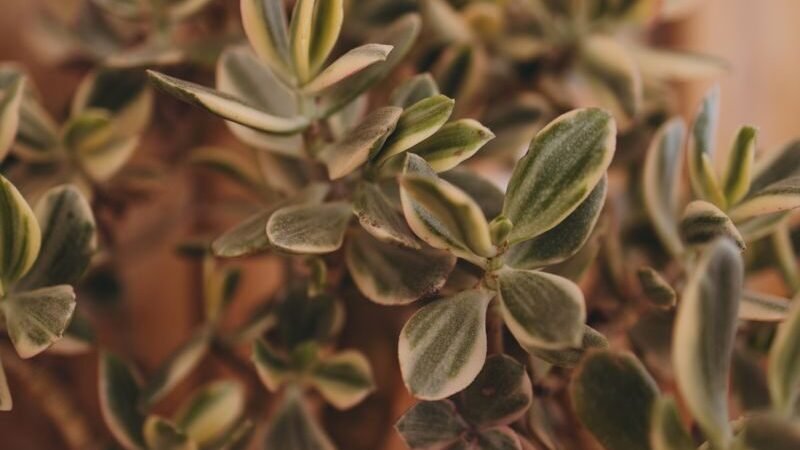
Quick diagnosis: Your jade plant is dropping leaves because something in its environment changed faster than it could adjust. The leaves themselves are the report card: soft, pale, or yellow leaves that fall at a touch mean too much water (stop watering now). Thin, wrinkled leaves that feel papery mean too little water (deep soak today). Green leaves dropping after a move or cold night mean temperature or transplant stress (hold steady, don’t fertilize). Pick your match below and follow the fix.
A jade plant is the poster child of the “hard to kill” succulent — so when it starts shedding leaves like confetti, it feels like a failure on your part. It isn’t. Jade plants store water in their thick leaves and woody stems, and that storage system makes them honest communicators: the texture, color, and timing of the dropped leaves each point to a different cause. There are 9 of them, and this guide walks you through all 9 — how to confirm each one, what to do about it, and how long recovery takes.
Diagnose It in 60 Seconds
Before you read the full guide, run this triage. It eliminates most causes immediately:
- Touch the soil two inches down. Wet or damp days after watering = overwatering. Bone dry and pulling away from the pot edges = underwatering.
- Pick up a dropped leaf and press it. Soft, squishy, or translucent = too much water. Thin, wrinkled, papery = too little.
- Think back two weeks. Did you repot it? Move it to a new spot? Did the heater kick on, or a cold night hit the windowsill?
- Look at the stem base and leaf joints. Dark, soft stem = possible rot. Cottony white fluff = mealybugs. Small brown bumps = scale.
- Check the light. Is it within a few feet of a bright window, or sitting several feet back in the room?
Most jade leaf drop traces to one of the first two — water and light. The rest are the edge cases, and they’re covered below.
1. Overwatering — The Number One Cause
Jade plants evolved on the rocky hillsides of southern Africa, where rain comes as an occasional deluge followed by long droughts. Their roots are built for gritty, fast-draining soil — not a permanent bath. Water too often, and the roots can’t breathe. They rot, the plant panics, and it drops leaves to reduce its own water demand. NC State Extension’s jade plant guide confirms it plainly: “leaf fall and root rot can result from over watering.”
How to confirm:
- Dropped leaves are soft, pale, or yellowish — sometimes slightly translucent, like a water balloon.
- The soil still feels wet several days after you watered. The pot feels heavy.
- In advanced cases, there’s a musty smell, or the stem base feels dark and soft — compare against our root rot symptom guide.
Fix it:
- Stop watering immediately. This is the whole first step.
- Check the drainage. Make sure water can exit the pot freely, and empty the saucer or cachepot after every watering. Never let the pot sit in standing water.
- Unpot and inspect the roots. If leaves keep dropping, slide the plant out. Healthy roots are white and firm; rotted ones are brown or black and mushy. Trim the dead roots with clean scissors.
- Repot into dry, gritty mix. Use a cactus/succulent mix cut roughly half-and-half with perlite or pumice. Wait 5–7 days before watering again.
- Water by dryness, not by calendar. Let the soil dry out fully — check two inches down or feel through the drainage hole — then soak thoroughly until water runs out the bottom. If you’re dealing with mushy, falling-off succulent leaves more broadly, our succulent rescue guide covers it.
2. Underwatering (or the “Little Sip” Habit)
Less common, but it confuses people. The advice “jade plants don’t need much water” gets misread as “barely water them.” What jade actually wants is infrequent but deep watering — the deluge-then-drought cycle of its native habitat. Light sips only wet the top inch of soil, the roots stay dry, and the plant wrinkles its leaves and drops them to conserve moisture.
How to confirm: dropped leaves are thin, wrinkled, and papery rather than soft. The soil is bone dry and pulls away from the pot edges. Remaining leaves look less plump than usual.
Fix it: give it one deep soak — water until it runs freely from the drainage hole, empty the saucer, then don’t water again until the soil is dry two inches down. If the soil has become water-repellent, set the pot in a bowl of water for 10–20 minutes so it rehydrates evenly. After two or three normal watering cycles, the remaining leaves should firm back up.
3. Not Enough Light
Jade is one of the few succulents that tolerates some shade, but tolerance isn’t preference. In dim light it can’t use water efficiently, stems stretch toward the window (leggy growth), and the plant sheds leaves it can’t afford to support. Leaf drop after watering is worse in low light, because the wet soil just sits there.
How to confirm: wide gaps between leaves on stretched stems, smaller and paler leaves than usual, soil staying wet longer than expected.
Fix it: move it to a bright window — east or south is ideal, west works with a little acclimation. Introduce it gradually over one to two weeks if it’s been in the dark, to avoid sunburn (cause 4). In very dim homes, a grow light for 10–12 hours a day does the job. And cut back watering in low light — less light means the soil must dry more fully between waterings.
4. Too Much Sun, Too Fast
Bright light is good for jade. A sudden blast of direct, hot sun on a plant that’s been living in the shade is not. The leaves bleach or develop tan, papery patches — sunburn — and drop afterward. This one is easy to misdiagnose because it looks like disease.
How to confirm: damage appears on the sun-facing side of the plant, usually within days of a move to a much brighter spot. The patches are bleached, tan, or papery and won’t turn green again.
Fix it: move it back to bright, indirect light and reintroduce direct sun gradually over one to two weeks. Don’t pull off the damaged leaves unless they fall on their own — the plant can still use them while it recovers. New growth in good light will come out unscathed.
5. Cold Drafts and Temperature Shock
Jade plants hate sudden temperature swings more than steady cold. A chilly night against a window, a blast from an AC vent, or the heater kicking on in fall can trigger leaf drop even when watering is perfect. Leaves may drop within days of the event.
How to confirm: the drop followed a specific event — a cold snap, a moved-to-a-new-spot week, the furnace’s first run of the season. Some leaves may show soft, darkened patches. Keep jade in a steady range around 65–75°F and away from drafts, and pull it back from cold glass at night in winter. Brief dips near 50°F are survivable when the soil is dry, but don’t make a habit of it.
Fix it: relocate it away from the draft, window crack, or vent. Hold the environment steady and give it a few weeks — growth may pause, but a jade with firm stems will push new leaves once it settles.
6. Summer Heat Dormancy (the Rare One)
Here’s the one most guides miss: in sustained extreme heat, jade plants can go semi-dormant to conserve moisture, just like they do in their native habitat. Dormant roots don’t take up water, so the soil stays wet longer — and if you keep watering on your normal schedule, the plant sits in moisture it can’t use. Leaves drop from the resulting stress.
How to confirm: the drop happens during a heat wave, temperatures are well above the plant’s comfort zone, and you haven’t changed your watering.
Fix it: water less during the heat, not more. Check the soil with your finger or a moisture meter and only water when it’s genuinely dry. Once temperatures ease, the plant wakes back up and resumes normal growth.
7. Repotting Stress and the Wrong Pot
Jade plants dislike change, and repotting is change. Leaf drop in the days or couple of weeks after repotting — with otherwise healthy stems and no pests — is classic transplant stress. The pot itself matters too: a pot much larger than the root ball holds moisture far longer than the plant is used to, and ordinary potting soil (or soil packed too firmly) stays soggy the same way. Plastic and ceramic pots hold moisture longer than porous terracotta or clay.
How to confirm: the timeline — drop started within days to two weeks of repotting. The leaves may fall while still green.
Fix it: if you repotted, keep the plant in bright, indirect light for about a week, then raise the light slowly. Don’t water again right away if the fresh mix is still moist, and hold off on fertilizer until you see new growth. For future repots: go only one to two inches wider than the previous pot, use a gritty succulent mix, and favor terracotta if you tend to water generously.
8. Mealybugs and Scale
Pests are an uncommon cause, but check anyway — they’re the one cause that won’t fix itself. Mealybugs look like tiny bits of white cotton tucked into leaf joints and stem creases; scale insects look like small tan or brown bumps that don’t wipe away easily. Both suck sap, weaken the plant, and cause yellowing and leaf drop.
How to confirm: cottony white clusters in the leaf axils, sticky residue on leaves or nearby surfaces, and leaf drop that continues even though watering and light look fine.
Fix it: isolate the plant from your others. Dab visible pests with a cotton swab dipped in 70% isopropyl alcohol — it dissolves their coating. Repeat weekly for several weeks; hatch cycles vary, and consistency wins. For heavier infestations, use insecticidal soap or horticultural oil per the label, and keep the plant out of harsh sun until it dries. Check hiding spots: pot rims, stem forks, and leaf undersides.
9. Natural Lower Leaf Drop (Not a Problem)
Sometimes jade leaf drop isn’t a crisis at all. As jades mature into little tree-like shrubs, they shed their oldest, lowest leaves and redirect energy to the newer growth up top. A few older bottom leaves dropping now and then — with healthy, firm new growth at the tips — is normal aging, not a rescue case.
How to confirm it’s normal: only a few older bottom leaves are dropping, new growth looks firm and healthy, no mushy stems, no pests, no rapid defoliation. Do nothing beyond steady care, remove the fallen leaves from the soil surface so they don’t invite fungus gnats, and if you want a fuller look, prune lightly in spring — the cuttings root easily into new plants.
Overwatered or Underwatered? The Side-by-Side Table
These two causes produce opposite symptoms, and mixing them up leads to exactly the wrong fix. Compare your plant to this table — and if you’re still unsure, our overwatered-vs-underwatered guide walks through the full differential.
| Sign | Overwatered | Underwatered |
|---|---|---|
| Dropped leaf texture | Soft, squishy, sometimes translucent | Thin, wrinkled, papery |
| Dropped leaf color | Pale or yellow | Green, then shriveled |
| Soil | Wet days after watering | Bone dry, pulls from pot edges |
| Pot weight | Heavy | Noticeably light |
| Stem base | May be dark and soft (rot) | Firm |
| First fix | Stop watering, check roots | Deep soak immediately |
Recovery Timeline: What to Expect
Jade plants are slow growers, so set expectations honestly. Once you’ve fixed the cause: weeks 1–2, leaf drop should slow and then stop — if it doesn’t, you haven’t found the real cause yet. Weeks 3–6, new growth appears at the branch tips; small, firm leaves are the all-clear signal. Spring and summer bring the real rebound — this is when a thinned-out jade fills back in. A badly rotted plant that needed root surgery may take a full growing season to look like itself again. Dropped leaves don’t reattach, and a bare section of stem won’t regrow leaves along its length — but pruning the tips in the growing season encourages branching that fills the gaps. For a full step-by-step, see our overwatered-plant rescue guide.
When to Give Up
Most jade leaf drop is reversible. But honesty matters more than optimism, so here are the signs a plant is past saving:
- The stem is mushy all the way through. If the main trunk is soft and collapsing from base to tip, the rot has won.
- There’s no firm tissue left to cut back to. A rescue cutting needs at least an inch of healthy, firm stem.
- Every leaf has dropped and the stems are shriveling black. No green, no firmness, no hope.
If that’s your plant, don’t feel bad — even experienced growers lose succulents to rot. Take healthy cuttings from any firm stem sections or plump leaves you can find; jade propagates readily, and a new plant from your old one is the best possible ending. Anything less than total collapse is worth treating.
Related Rescues
- Mushy, falling-off succulent leaves? Our succulent rescue guide
- Root rot: what it looks like and how to treat it
- How to save an overwatered plant in 7 steps
Frequently Asked Questions
Will jade leaves grow back after dropping?
Dropped leaves don’t reattach, but the plant grows new leaves from its branch tips once conditions improve. If whole sections went bare, light pruning in spring or early summer encourages branching that fills in the gaps.
Can I save a jade plant that dropped all its leaves?
Maybe — if the stems are still firm. Move it to bright light, fix the watering, and wait. Firm stems with no rot can push new growth within a few weeks. If the stems are mushy or shriveled black, take cuttings from any firm sections instead.
Can I propagate the dropped leaves?
Often, yes — if they’re healthy and plump. Let them callus for a few days, then lay them on top of dry succulent mix in bright, indirect light. Mist sparingly, and once roots or tiny plantlets appear, water in small sips until the new plant is established.
How often should I water a jade plant?
There’s no universal schedule — soil dryness decides. In bright, warm conditions that’s roughly every 2–4 weeks; in winter or low light it can stretch to 6 weeks or more. Always check the soil before watering: let it dry out fully, then soak thoroughly.
Why is my jade plant dropping green leaves, not yellow ones?
Green leaves dropping usually point to temperature shock, drafts, or repotting stress rather than a watering problem. Check what changed in the last two weeks — a move, a cold night, a new pot — and hold the environment steady while it recovers.