
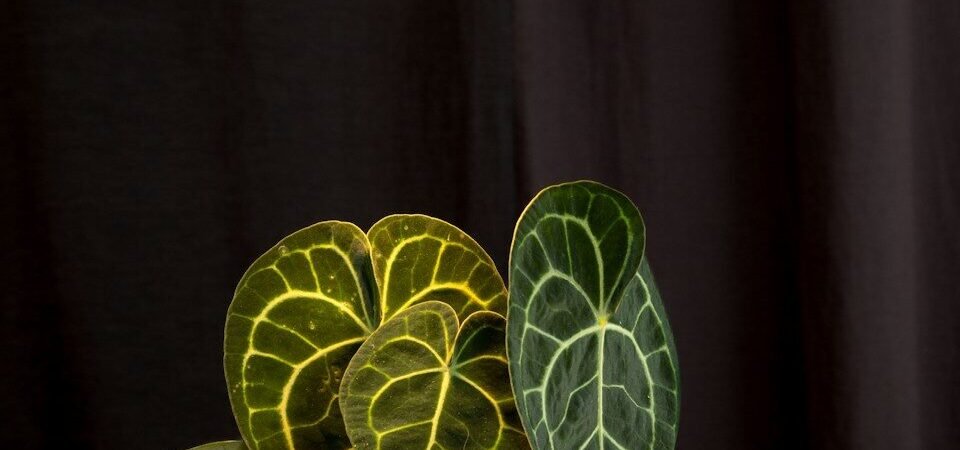
Every fall the same thing happens: the days get short, the sun rides low, and houseplants that thrived all summer start looking tired. Water usually is not the problem — light is. A grow light can absolutely fix that. But not every plant needs one, and buying the wrong kind is an easy way to waste money. Here is how to read your plants and decide.
Quick answer: You probably need a grow light if your plants sit more than a few feet from a bright window, or you are seeing leggy, pale, stretched-out growth. You can probably skip it if your plants sit right by a south-facing window and you are fine with slower winter growth. Either way, the setup takes five minutes — and the common mistakes are easy to avoid.
Sign 1 — Your plant is stretching toward the light
When light is scarce, plants reach for it. The result is “leggy” growth: long bare stems, wide gaps between leaves, and new growth that looks noticeably paler and thinner than the older leaves. A pothos vine that suddenly races across the shelf with sparse little leaves is not being ambitious — it is light-starved.
How to confirm: compare the newest growth to the older leaves. If the new stems are thinner and the spaces between leaves are wider than they used to be, that is stretching, not normal growth.
Sign 2 — New leaves come in smaller, paler, or missing their splits
A monstera pushing out small solid leaves instead of big split ones is usually telling you the light changed, not the plant. Low light forces the plant to budget its energy, and the budget cuts show up first in new leaves: smaller, thinner, less dramatic. If the missing splits are your main worry, our monstera fenestration guide walks through every cause.
Sign 3 — Growth has stalled completely
Some slowdown in winter is normal — nearly everything grows slower with shorter days. But a plant that pushed out leaves all summer and has not made a single new one in two months, while your home is still warm, is probably light-limited rather than resting.
Sign 4 — Leaves are dropping even though your watering is right
Here is the trap: low light slows how fast a plant drinks, so the same watering routine that worked in July now keeps the soil soggy — and soggy soil drops leaves. If you have ruled out watering trouble with our overwatered vs. underwatered guide and checked for pests, and leaves are still falling, poor light is the next suspect.
Sign 5 — Your plants sit far from the window, or your winter days are very short
Light fades fast — a plant three feet from the window gets dramatically less light than one sitting on the sill. And if you live far north, winter days can shrink to eight or nine hours of weak, low-angled sun. If your collection lives on a bookshelf across the room, no amount of wishful thinking replaces the light it is missing. That is the clearest grow-light case there is.
The honest counterpoint: when a grow light is the wrong answer
Not every winter slowdown is a light emergency. Save your money if any of these fit:
- Some plants genuinely rest. Many houseplants slow down in winter no matter what you do — that is dormancy, not a cry for help. They will pick back up in spring.
- Low-light veterans do not need rescuing. Snake plants, ZZ plants, pothos, and peace lilies tolerate dim winters just fine. A grow light will not hurt them, but do not expect drama.
- The real problem might not be light. Yellow leaves plus mushy stems is a watering problem — and winter watering needs a lighter hand anyway. Speckled leaves with fine webbing means spider mites, and no grow light fixes pests (start with our pest ID guide).
- Your plant is already in a bright south-facing window and just growing slowly. That is a plant enjoying its off-season. Let it be.
What to buy (without falling down the brand rabbit hole)
Three things actually matter. Ignore everything else:
- Full-spectrum white LED. Skip the purple “blurple” panels for your living room — full-spectrum white light grows plants just as well and will not make your home look like a nightclub.
- The right shape for your setup. One plant? A grow bulb that screws into a lamp you already own. One or two plants? A clip-on gooseneck light. A whole shelf of plants? LED strip lights mounted under the shelf.
- A timer. Consistency beats intensity — a cheap outlet timer (or a light with one built in) running the same schedule every day matters more than buying the most powerful light.
What does not matter much: lumens. That number measures brightness to human eyes, not to plants — so a “super bright” regular bulb is not automatically a good grow light.
Setting it up in 5 minutes
- Position it about 12 inches above the foliage. Start a little farther away and move it closer if nothing changes. If leaves start bleaching or curling away from the light, it is too close.
- Put it on a timer for 12–14 hours a day. Supplement the natural daylight rather than replacing it — morning and evening hours around the daylight window work well.
- Give your plants a real night. Plants need a dark period to rest. Running a light around the clock stresses them, and it can stop flowering plants from blooming.
- Keep the height fixed as the plant grows. Raise the light as new growth reaches up — the distance from the leaves is what counts.
4 grow light mistakes that waste your money
- Lighting 24/7. Darkness is part of the deal — constant light stresses plants instead of supercharging them.
- Hanging it at ceiling height. Light fades fast with distance. A light three feet above the plant is mostly decorating your ceiling.
- Expecting overnight results. Give it 3–4 weeks: look for compact new growth, stretching that stops, and deeper green color. That is your proof it is working.
- Buying the cheapest purple panel for the living room. It grows the plant fine, but you will hate looking at it — and a light you unplug because it is ugly is a light that does nothing.
Which plants benefit most?
| Worth the light | Probably fine without |
| Monstera, fiddle leaf fig, bird of paradise — tropicals that sulk through dim winters | Snake plant, ZZ plant — built for low light by design |
| Succulents and cacti — need serious brightness; a grow light helps, though it may not fully replace a south window | Pothos, philodendron — tolerate lower light, though they still appreciate a boost |
| Herbs and seedlings — hungry for light; even a simple setup transforms them | Peace lily, ferns — do fine in medium light |
How to tell it is working: the 3–4 week check
Do not judge the setup after three days. After about a month under a grow light, a happy plant shows new leaves coming in tighter and more compact, stretching that stops, and richer green color. If nothing changes, move the light closer — distance is the usual culprit, not the bulb.
Frequently asked questions
Do houseplants really need grow lights in winter?
Not always. Plants sitting near a bright south-facing window usually get by with slower winter growth. But plants more than a few feet from a window — or in homes with very short winter days — often do noticeably better with supplemental light. Watch for the signs above: leggy stretched growth, smaller new leaves, and growth that has stalled completely.
Can I use a regular LED lamp instead of a grow light?
For a small top-up near a window, it can help a little if you keep it very close to the plant. But standard bulbs do not put out enough of the right light to replace what a plant loses in winter. A proper full-spectrum LED grow light costs about the same as a decent LED bulb and does far more for your plant.
How long should I leave a grow light on in winter?
About 12 to 14 hours a day on a timer, supplementing natural daylight. Never run it around the clock — plants need a dark period to rest, and constant light can stress them or stop flowering plants from blooming.
How close should a grow light be to my plants?
For a typical LED grow light, start about 12 inches above the foliage and adjust from there. Bleached or curling leaves mean it is too close; continued stretching means it is too far. Stronger panel lights can sit farther away and still cover several plants.
Will a grow light burn my plants?
It can if it sits too close — leaves may bleach, curl, or develop scorched patches. Start farther away than you think, wait a few days, and move the light closer only if the plant shows no improvement. Most LED grow lights run cool, so heat is rarely the issue — intensity is.