
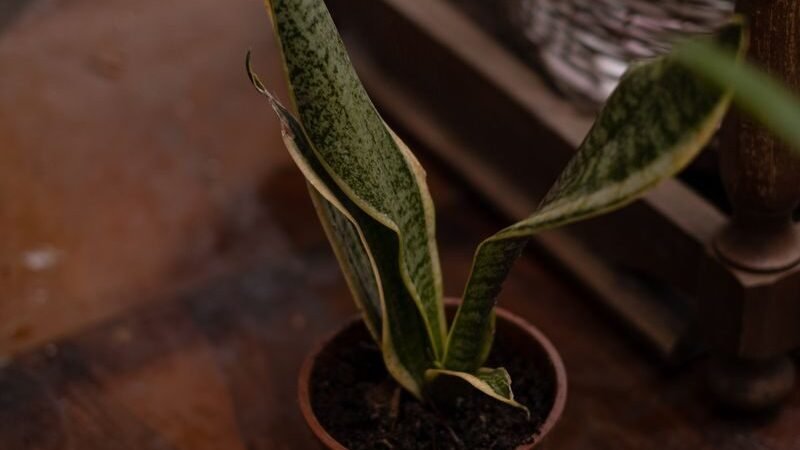
Quick answer: Water your snake plant every 2–4 weeks in spring and summer and every 4–8 weeks in fall and winter. But the real rule is even simpler than a schedule: water only when the soil is completely dry — and check, don’t guess. A snake plant would rather wait a week too long than be watered a day too early.
If you remember one thing about snake plants, make it this: they die from too much water, almost never from too little. They are desert-tough plants that store water in their thick, upright leaves, and they shrug off weeks of neglect. What they cannot shrug off is soggy soil — that is how root rot starts, and root rot is the one thing that will actually kill your snake plant. (If you are torn between overwatering and underwatering in general, our differential diagnosis guide walks you through telling the two apart.)
Why Snake Plants Need So Little Water
A snake plant is built like a camel. Its thick, fleshy leaves hold a reserve of water, and its rhizome — the underground stem everything grows from — stores even more. In the wild, it survives long dry spells between rains, and that programming is still in your living room plant.
That is why the instinct to “water it like the other houseplants” backfires. Constantly damp soil suffocates the roots, which are built to breathe between drinks. The fix is not a better schedule — it is a better habit: check the soil, and water only when the plant actually needs it.
The Real Rule: Check the Soil, Not the Calendar
Every watering calendar is a guess. Your home’s light, pot, soil, and season all change how fast a pot dries out — two identical snake plants in different rooms can be two weeks apart. So instead of marking watering days, run a 60-second check:
- The finger test. Push your finger about 2 inches into the soil. If you feel any moisture or coolness, wait. If it is bone dry all the way down, it is time.
- The skewer test (for deep pots). Stick a clean wooden skewer 3–4 inches into the mix and pull it out. Damp soil darkens the wood or clings to it. A dry, clean skewer means go ahead.
- The lift test. Pick up the pot right after watering and memorize the weight. When it feels noticeably lighter a couple of weeks later, the soil has dried out. You will learn this feel fast.
- Look through the drainage hole. If the soil at the bottom of the pot is still dark and damp, the roots are not ready — even if the top looks dry.
A moisture meter can help if you are a chronic second-guesser, but treat it as one clue among several, not the final word. Your finger and the pot’s weight are more reliable.
How to Water a Snake Plant the Right Way
When the soil is genuinely dry, give it a real drink — small sips every few days are worse than one good soak, because they keep the upper soil damp without ever wetting the root ball.
- Use room-temperature water. Cold water straight from the tap can shock the roots.
- Pour slowly and evenly across the soil surface until water starts flowing from the drainage hole. Rotate the pot so the whole root ball gets wet.
- Keep the crown dry. Avoid pouring water into the center where the leaves meet — standing water there can cause the crown to rot.
- Let it drain for 10–20 minutes in the sink or tub.
- Empty the saucer or cachepot. This step matters: leftover water sitting under the pot is the classic cause of “I barely watered it!” root rot. Dump it within the hour.
That is the entire routine. Thorough soak, full drain, then leave the plant alone until the soil dries again.
What Changes the Timing
There is no single number that works for everyone, because these factors shift the drying time by days or weeks:
| Your setup | What to do |
|---|---|
| Bright, indirect light | Check every 2 weeks; soil dries fastest here |
| Low light (several feet from a window) | Check every 4–6 weeks; the pot can stay damp for weeks |
| Terracotta pot | Dries faster — check a few days earlier |
| Plastic or glazed ceramic pot | Holds moisture longer — check later |
| Oversized pot | Too much soil stays wet around small roots — water less often |
| Dense, peaty soil | Dries slowly and unevenly — consider repotting into a cactus/succulent mix |
| Root-bound plant | Roots fill the pot and drink fast — check more often |
| Fall and winter | See the winter section below — slow way down |
Newly repotted plants need a check after about 2 weeks, since fresh mix dries differently than the old compacted soil. Moved your plant closer to a window? Check sooner. Heat or AC kicked on for the season? Recheck your rhythm — vents change surface drying even when the lower soil is still damp.
Watering in Winter
Winter is when healthy snake plants get into trouble. Shorter days mean slower growth, which means the plant drinks less — and a cool windowsill can keep the lower soil damp for weeks at a time. Start with a monthly soil check instead of a routine, and do not water on habit.
North Carolina State Extension’s snake plant guide advises letting the soil dry between waterings in the growing season, and in winter watering only every one to two months. Do not compensate with little sips — wait until the pot is genuinely dry, then give one full soak and drain it properly. The only exception: a plant under bright grow lights in a warm room that is still pushing new leaves may need water every 3–4 weeks even in winter. Firm leaves and dry soil are better cues than the month on the calendar.
Too Much or Too Little? How to Tell
Yellow leaves do not automatically mean “needs water” — damaged, waterlogged roots can starve a plant of water just like dry roots can. Always check the soil before diagnosing.
Signs of too much water:
- Soil stays damp for more than two or three weeks
- Lower leaves turn yellow while the mix is still wet
- Leaf bases feel soft, mushy, or look translucent
- Musty smell from the soil; roots are brown or black and slimy (see root rot)
If you see soft, floppy leaves on wet soil, stop watering and read our snake plant rescue guide — it walks through unpotting, trimming rot, and repotting into dry mix.
Signs of too little water:
- Pot feels extremely light; soil pulls away from the pot edges
- Leaves look thinner, wrinkled, or folded — like they have lost their stiffness
- Brown, dry damage on leaf tips after a long dry stretch
A thirsty snake plant almost always bounces back after one thorough soak. Water it once, let it drain, and check the leaves over the next week. Do not stack several waterings on consecutive days to “make up” for the drought — one soak is enough.
5 Watering Mistakes That Kill Snake Plants
- Watering by weekday. A Sunday watering habit killed more snake plants than any pest. Set a reminder to check the soil, not to water it.
- Little sips instead of a soak. Frequent small pours keep the top soil permanently damp while the deep roots stay dry. One full soak, then nothing until dry.
- A pot with no drainage hole. Without a way out, excess water collects at the bottom and rots the roots from below. Keep the plant in a nursery pot with holes, even inside a decorative cover.
- Water trapped in the cachepot. That decorative outer pot is a reservoir if you never empty it. Tip it out after every watering, every time.
- A gravel layer at the bottom. Old advice says gravel “improves drainage.” It does not — it keeps the soil above it saturated longer. One drainage hole beats a layer of pebbles.
If you have already made one of these mistakes and the plant looks rough, our how to save an overwatered plant guide covers the full rescue sequence.
Frequently Asked Questions
Can I just water my snake plant once a month?
For many indoor snake plants, yes — monthly watering is the sweet spot, especially in fall and winter. In bright summer light with fast-drying soil, you might need to check every two weeks instead. Let the soil decide, not the calendar.
How much water does a snake plant need each time?
There is no fixed measurement like “one cup per plant” — a 4-inch pot and a 12-inch floor container hold very different amounts of soil. Water slowly until excess drains from the bottom, then stop and drain the saucer. That is your endpoint.
Can I use tap water on my snake plant?
Yes. Snake plants are not picky about water. If your tap water is heavily chlorinated, letting it sit out for a day is a reasonable precaution, but most snake plants do fine on straight tap water at room temperature.
Should I top-water or bottom-water my snake plant?
Top-watering is simplest: pour evenly over the soil until it drains, keeping the leaf crown dry. Bottom-watering works too, but it is slower and risks the mix staying too wet if you forget the pot in the tray. Either way, the rule is the same — drain fully, then wait for the soil to dry.
Should I mist my snake plant?
No. Misting traps moisture on and between the leaves, which invites fungal problems without helping a drought-tolerant plant that stores its own water. If your air is very dry, the plant simply needs its roots watered less often, not misted.