
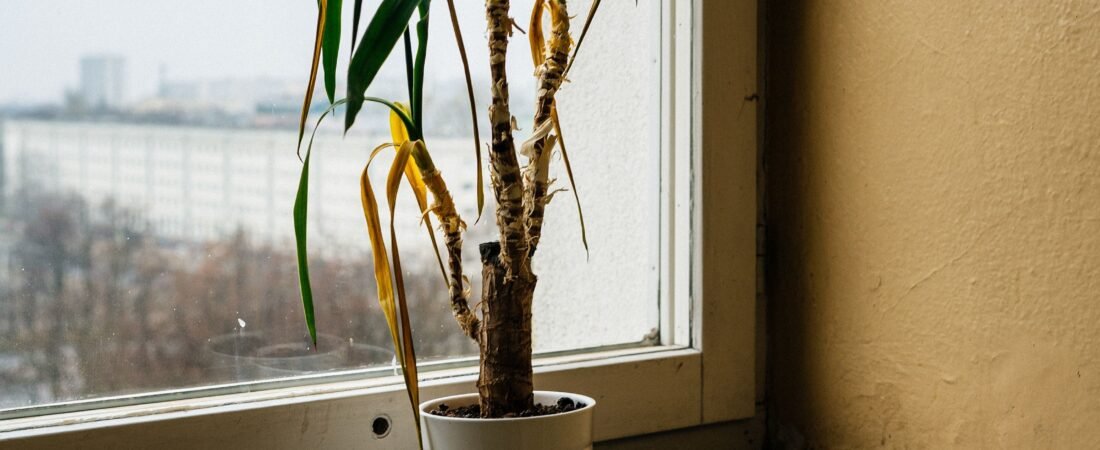
You watered with love, and now your plant is paying for it. Yellow leaves, drooping stems, soil that smells like a swamp — overwatering is the number-one houseplant killer. The good news: most overwatered plants can be saved if you act in the right order. Here is the rescue protocol, from the first 60 seconds to full recovery.
Quick diagnosis: Leaves yellowing plus soil still wet days after watering equals classic overwatering. 60-second fix: stop watering, tip the pot to drain excess water, and move the plant to bright, indirect light with good airflow. If the soil is still soggy after 3 days, skip ahead to the full rescue steps below.
First: How Bad Is It? (The 3-Check Triage)
Before you touch a single root, run these three checks:
- The soil check. Push your finger 2 inches into the soil. Wet and cold? Still overwatered. Damp? Drying. Bone dry but the plant still droops? You may be dealing with root damage, not active waterlogging.
- The stem check. Gently squeeze the stem near the soil line. Firm means the roots are likely still functional. Soft or mushy means rot has started and you will need the full rescue below.
- The sniff check. A sour or rotten-egg smell from the soil means anaerobic bacteria are thriving. The plant needs unpotting, not just drying.
| Sign | What it means | Action |
|---|---|---|
| Soil dries within 2–3 days | Damage is superficial | Dry it out in place (Steps 1–2 only) |
| Soil still soggy after 3+ days | Water is trapped around the roots | Unpot and inspect (Steps 3–5) |
| Stem soft at the soil line | Root rot has set in | Full rescue: trim and repot |
| Foul smell from the soil | Anaerobic decay underway | Full rescue; fresh soil mandatory |
| Roots brown or mushy when checked | Root rot confirmed | Trim back to healthy tissue and repot |
How to Save an Overwatered Plant in 7 Steps
Do these in order — skipping ahead is how plants die. Steps 1–2 handle mild cases; steps 3–7 are the full root surgery for plants that will not dry out on their own.
- Stop watering — completely. This sounds obvious, but it is the step people skip. No water until the top 2 inches of soil are dry. And empty the saucer or cache pot too: a plant sitting in standing water is still drowning even after you have stopped watering.
- Get air moving around it. Move the plant to a spot with bright, indirect light and good airflow — a gentle fan nearby speeds evaporation dramatically. Tilt the pot on its side for a few hours so excess water drains out. For small pots, press folded paper towels onto the soil surface; they wick out a surprising amount of water.
- Decide: dry in place or unpot? If the soil was merely damp and dries within a couple of days, steps 1–2 may be enough — jump to step 7. But if the soil has been soggy for more than 2–3 days, there is a smell, or the stem feels soft, unpot the plant. Drying will not fix what is rotting underground.
- Unpot and inspect the roots. Tip the plant out and gently shake off the wet soil, then rinse the roots under lukewarm water so you can see what you are dealing with. Healthy roots are firm and white or light tan. Rotten roots are brown or black, mushy, slimy, or fall apart when tugged. Do not trust the top growth — leaves can look fine while the roots are already gone.
- Trim the rot. Using clean, sharp scissors or pruning shears (wipe the blades with rubbing alcohol first), cut away every brown, mushy, or hollow root back to firm, healthy tissue. Be ruthless — one rotten root left behind can re-infect the rest. Let the remaining root ball air-dry for an hour or two before repotting; putting a wet root ball straight into mix undoes the work.
- Repot in fresh, dry mix. Never reuse the old soggy soil — it may carry the fungi that caused the rot. Use fresh, well-draining potting mix with perlite or orchid bark mixed in for airflow. Choose a pot that fits the root system you have left, not the one you started with: an oversized pot holds excess soil that stays wet for weeks. And it must have drainage holes.
- Wait, then water lightly. Do not water immediately after repotting. Give the plant 2–3 days, then water lightly — just enough to settle the soil. From here on, water by the soil, not the calendar: check the top 2 inches before every watering.
Not sure overwatering is actually the problem? Our guide on how to tell if a plant is overwatered or underwatered walks you through the difference.
What Recovery Looks Like (Timeline)
- Days 1–3: The plant may look worse before it looks better. Some leaves may keep yellowing — that is the plant shedding damaged foliage, not failing.
- Weeks 1–2: No new yellowing is your first good sign. The remaining leaves should firm up.
- Weeks 3–6: New growth appears — a fresh leaf unfurling or a new shoot. That is your confirmation the rescue worked.
- Months 2–3: The plant returns to its normal growth rhythm. Resume feeding at half strength first.
If nothing improves after 6 weeks, see the next section.
When to Give Up (Honestly)
Not every plant makes it, and there is no shame in calling it. Consider composting the plant if every root is brown and mushy with nothing firm left, if the stem is soft and translucent at the soil line and collapses when touched, or if the crown — where the stem meets the roots — is completely rotted. If even one firm, white root remains and the stem is solid, it is still worth trying. Take a healthy cutting first if the plant propagates that way; it is a free backup plan. (Full guide: what root rot looks like and how to fix it.)
How to Never Overwater Again
The rescue worked — now make it permanent:
- Check soil, not the calendar. Top 2 inches dry means time to water. Most houseplants need far less water in winter.
- Every pot needs drainage holes. Decorative pots without them are death traps — use them as cache pots and lift the nursery pot to water.
- Match pot size to root size. Too-big pots stay wet too long.
- Use airy soil. Straight bagged potting mix holds too much water for most plants; cut it with perlite or orchid bark.
Yellowing leaves are the most common symptom of all — see our yellow leaves symptom hub for every cause and fix.
Can an overwatered plant recover on its own?
Sometimes. If the soil dries within a few days and the roots are still healthy, simply stopping watering is enough. If the soil stays soggy, no — you need to intervene with the steps above.
Should I repot an overwatered plant?
If the soil has been soggy for more than 2–3 days, yes. Fresh, dry soil removes the trapped water and the fungi thriving in it.
How long does it take an overwatered plant to recover?
Expect 3–6 weeks before new growth confirms the rescue worked. Leaves already damaged by overwatering will not heal — watch for new growth instead.
Should I cut off yellow leaves from an overwatered plant?
Yes — remove leaves that are fully yellow or mushy; they will not recover and can harbor mold. Leave partially green leaves; they are still photosynthesizing.
Can you save a plant with root rot?
If some roots are still firm and white, yes — trim the rot and repot into fresh mix. If every root is mushy and the stem is soft at the base, the plant is almost certainly gone.