
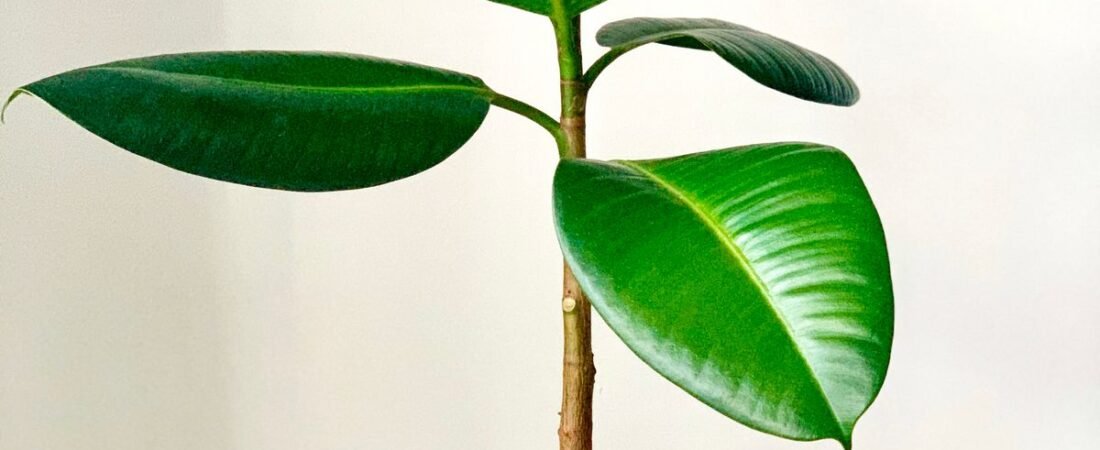
Quick diagnosis: rubber plant dropping leaves
Symptom: Leaves dropping — sometimes green and healthy-looking, sometimes yellow and soft.
Most likely cause: You moved it recently, or it’s been overwatered.
Your 60-second first step: Stick your finger 2 inches into the soil. Soggy? Stop watering. Bone dry? Give it a deep drink. Soil feels fine? Think about what changed in the last two weeks — a move, a repot, a cold snap by the window.
1. You moved it (relocation shock)
Why it happens: Rubber plants hate change. A new home, a new room, even a new spot by a different window — ficus is notorious for shedding leaves when its environment changes. The plant isn’t dying. It’s throwing a tantrum.
How to confirm: Leaves drop but look otherwise healthy — firm, green, no yellowing. It started within days of moving or rearranging the room.
Fix it:
- Leave it alone. Pick its spot and commit — no more shuffling it around.
- Keep light and watering steady for 2–3 weeks while it adjusts.
- Don’t fertilize while it’s sulking. Let it settle first.
2. Overwatering (the #1 killer)
Why it happens: Rubber plant roots hate sitting wet. Too-frequent watering suffocates the roots, and the plant drops leaves to cut its losses. This is behind more rubber plant deaths than anything else.
How to confirm: Leaves turn yellow and feel soft or limp, starting with the lower leaves. The soil stays wet more than 10 days after watering. You might notice a musty smell from the pot — that’s root rot developing.
Fix it:
- Stop watering immediately. Let the top 2–3 inches of soil dry out completely.
- Make sure the pot has drainage holes and isn’t sitting in a saucer of standing water.
- If it smells musty or the stem base feels soft, unpot the plant and check the roots. Brown, mushy roots mean root rot — trim the mushy parts and repot in fresh mix. Here’s our full root rot rescue guide.
- Going forward, water only when the top 2 inches of soil feel dry. Still unsure how to tell wet from dry? Read this.
3. Underwatering
Why it happens: Missed waterings too many times in a row, and the plant drops leaves to conserve what little moisture it has.
How to confirm: Leaves droop first, then turn brown and crispy at the edges. The soil is bone dry 2 inches down, or it has shrunk away from the sides of the pot.
Fix it:
- Water deeply until it drains out the bottom, then empty the saucer.
- If the soil is so dry it repels water, bottom-water instead: set the pot in a basin of room-temperature water for 20–30 minutes.
- Water on a check, not a schedule — do the finger test every time.
4. Cold drafts and temperature swings
Why it happens: Rubber plants are tropical. A cold draft from a door, a leaky window, or a blasting AC vent tells the plant winter is coming, and it drops leaves in self-defense.
How to confirm: The leaf drop started after a cold snap, or the plant sits by a frequently opened door, a drafty window, or right under an AC vent. Growth has stalled too.
Fix it:
- Move it away from the draft — but keep it bright. Don’t trade one stress for another.
- Keep it between 60°F and 85°F. The National Garden Bureau notes ficus do best in that range.
- Keep it away from radiators and heat vents as well. Hot blasts stress it just like cold ones.
5. Not enough light
Why it happens: In a dim corner, the plant can’t photosynthesize enough to support all its leaves, so it sheds the extras. The classic story: it was fine in the bright nursery, then slowly thins out in your living room over a few months.
How to confirm: A slow, steady leaf drop over weeks. Leaves look pale or washed out. Any new growth is small and leggy.
Fix it:
- Move it within 3–4 feet of a bright window — an east or west window, or a south window with a sheer curtain.
- Give it a few weeks to stabilize. The pale leaves won’t green back up, but new growth should come in strong.
- Rotate the pot a quarter turn every couple of weeks so it grows evenly.
6. Transplant shock (you repotted recently)
Why it happens: Repotting disturbs the roots, and the plant drops leaves while it re-establishes itself.
How to confirm: The drop started within 2–4 weeks of repotting. The plant otherwise looks okay.
Fix it:
- Be patient. Keep conditions stable and don’t repot it again.
- Water lightly until you see new growth, then resume your normal routine.
- Next time, repot in spring and go only one pot size up.
7. Pests
Why it happens: Scale insects, mealybugs, and spider mites all feed on rubber plants. A stressed, pest-drained plant drops leaves.
How to confirm: Sticky residue on the leaves, cottony white clusters in the leaf joints (mealybugs), bumpy brown shells on the stems (scale), or fine webbing between leaves (spider mites). Always check the undersides of the leaves.
Fix it:
- Wipe the leaves down with a damp cloth and dab visible pests with rubbing alcohol on a cotton swab.
- Treat with insecticidal soap or neem oil, repeating once a week for 3–4 weeks.
- Isolate the plant from your other houseplants until the pests are gone.
Rubber plant leaf drop: quick differential
| What you see | Likely cause | Instant check |
|---|---|---|
| Green, healthy-looking leaves falling with no warning | Relocation shock | Did you move it in the last 2 weeks? |
| Yellow, soft leaves dropping from the bottom up | Overwatering | Is the soil still wet 2 inches down? |
| Dry, crispy brown leaf edges | Underwatering | Is the soil bone dry? |
| Drop started after a cold snap | Cold drafts | Is it near a drafty window, door, or AC vent? |
| Pale, washed-out leaves with a slow, steady drop | Low light | Is it more than 4 feet from a window? |
| Drop started within a month of repotting | Transplant shock | Did you repot recently? |
| Sticky leaves, cottony clusters, or fine webbing | Pests | Check the undersides of the leaves |
How long until it recovers
- Underwatering: leaves perk up within hours of a deep watering.
- Relocation shock: give it 2–4 weeks of stable conditions. Expect a few more leaves to drop before it settles.
- Overwatering: 2–4 weeks after you fix the watering rhythm. If root rot needed surgery, expect 1–2 months before new growth appears.
- Low light: 2–3 weeks in a brighter spot before new growth shows up.
- Pests: new growth resumes a couple of weeks after the infestation is fully gone.
When to give up
Rubber plants are tougher than they look. A leaf-drop tantrum is almost never the end. Do the stem test: scratch a little bark with your fingernail. Green and moist underneath? It’s alive. (Watch the milky white sap — it’s a skin irritant, so wash your hands after.) Only compost it if the stems are brown and mushy all the way down, the whole crown has collapsed, and there’s been zero new growth for 6–8 weeks after you fixed the conditions.
Frequently asked questions
Why is my rubber plant dropping leaves even though I water it correctly?
If the watering is right, the cause is usually change — a recent move, a new draft, or lower light than the plant had before. Walk through the other six causes above and one of them will fit.
Will the dropped leaves grow back?
No — rubber plants don’t regrow leaves on bare stems. But the top keeps growing, and you can prune a leggy stem to encourage branching. A leafy top on a bare stem is the classic ficus look, so don’t stress about it.
Should I cut off the leaves that are about to fall?
Let them fall on their own. A leaf the plant can still salvage is still helping it. Just pick up fallen leaves so they don’t rot on the soil.
My rubber plant is dropping leaves in winter. Is that normal?
Some winter leaf drop is common — shorter days, dry heated air, and cold windows are a triple stress. Move it to your brightest window, keep it warm, water less often, and wait for spring.
Are rubber plants toxic to pets?
The milky latex sap is mildly toxic to cats and dogs if chewed, and it irritates skin. Keep the plant — and any fallen leaves — out of paw reach.
Why is my rubber plant dropping green, healthy-looking leaves?
Green leaves dropping with no warning almost always means relocation shock — rubber plants hate being moved, even a few feet. Give it two to four weeks of completely stable light and watering, and resist shuffling it around while it sulks. The drop should slow on its own as it settles in.
Why is my rubber plant losing leaves after moving it?
A move changes the light, temperature, and airflow all at once, and rubber plants protest by dropping leaves for a week or two. This is normal adjustment, not a death spiral — pick its spot and commit. Keep care steady and consistent, and new growth at the top will tell you it’s over the sulk.
Why are the bottom leaves falling off my rubber plant?
The bottom leaves are the oldest, so they’re the first the plant sacrifices when stressed — usually from low light, overwatering, or both. If the drop is slow and the top still looks healthy, it’s reallocating energy, not dying. Brighten its spot and check your watering, but don’t expect leaves to regrow on the bare lower stem.
Related rescues
- Overwatered vs Underwatered Plants: How to Tell the Difference (and Fix Both)
- What Root Rot Looks Like (and How to Fix It)
- Why Is My Fiddle Leaf Fig Dropping Leaves? 9 Causes & Fixes
- Rubber Plant — the complete rubber plant care hub.
- Drooping & Wilting — the full symptom guide for limp, wilting leaves.